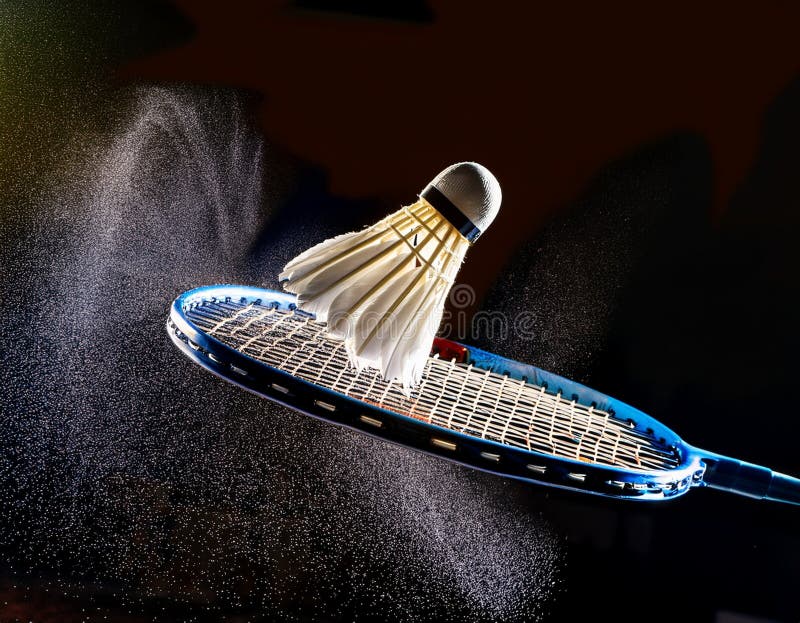
A shuttlecock can leave a pro racket at over 490 km/h â faster than any ball in sport. Explore racket anatomy, string tension science, pro gear and the rules of the game, all in one place.
Every gram and millimetre is engineered. Understanding the parts helps you choose a racket that matches your style â power, control, or all-round play.
Usually graphite or carbon-fibre. Isometric (square-ish) heads expand the sweet spot; oval heads concentrate power.
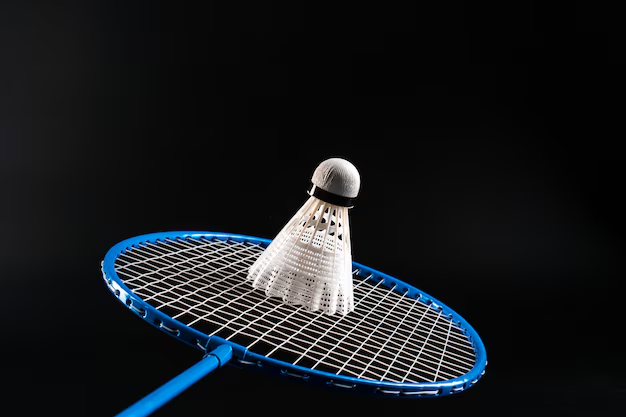
Vertical (main) and horizontal (cross) strings, typically 20â28 lbs tension. Thinner strings give more feel and repulsion.
Flexible shafts whip the shuttle for power â great for beginners. Stiff shafts deliver precision for advanced hitters.
Wrapped over the handle in towel or synthetic material. A proper grip size prevents wrist strain and improves control.
Head-heavy rackets aid smashing; head-light rackets speed up defence and net kills; even balance suits all-rounders.
Answer two questions and we will suggest an ideal string tension (in pounds) for your game.
A balanced setup with good repulsion and decent control.
Filter by play style to find your match. Every racket is tournament-legal (max 680 mm length, âĪ 80 g frame class).
Rally scoring: every rally wins a point. A game is played to 21; you must win by 2 (cap at 30). Matches are best of 3 games.
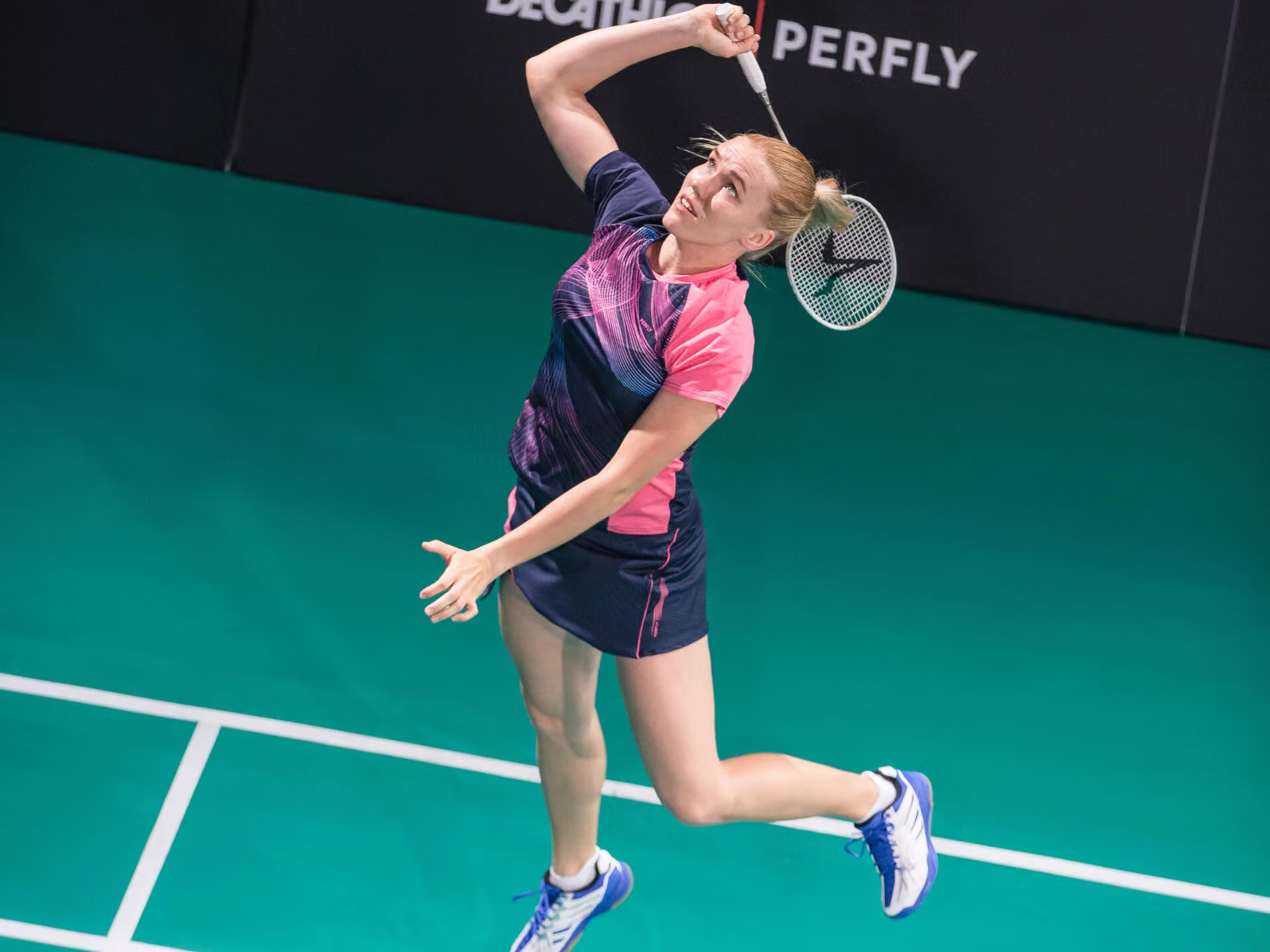
Serve from below the waist, diagonally. If your score is even you serve from the right court; odd from the left.
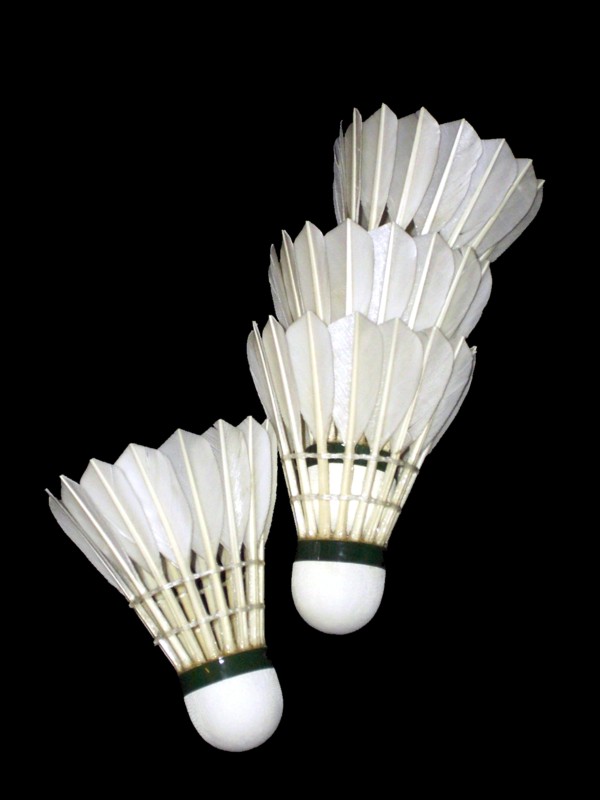
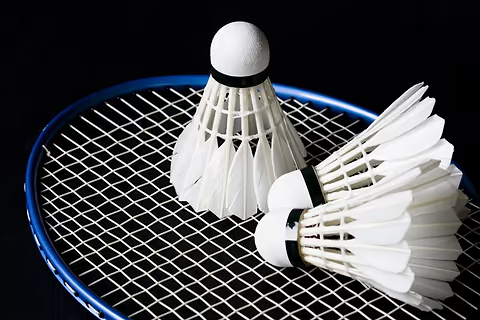
A feathered shuttle has 16 goose feathers fixed into a cork base â and it decelerates faster than any other projectile in sport.
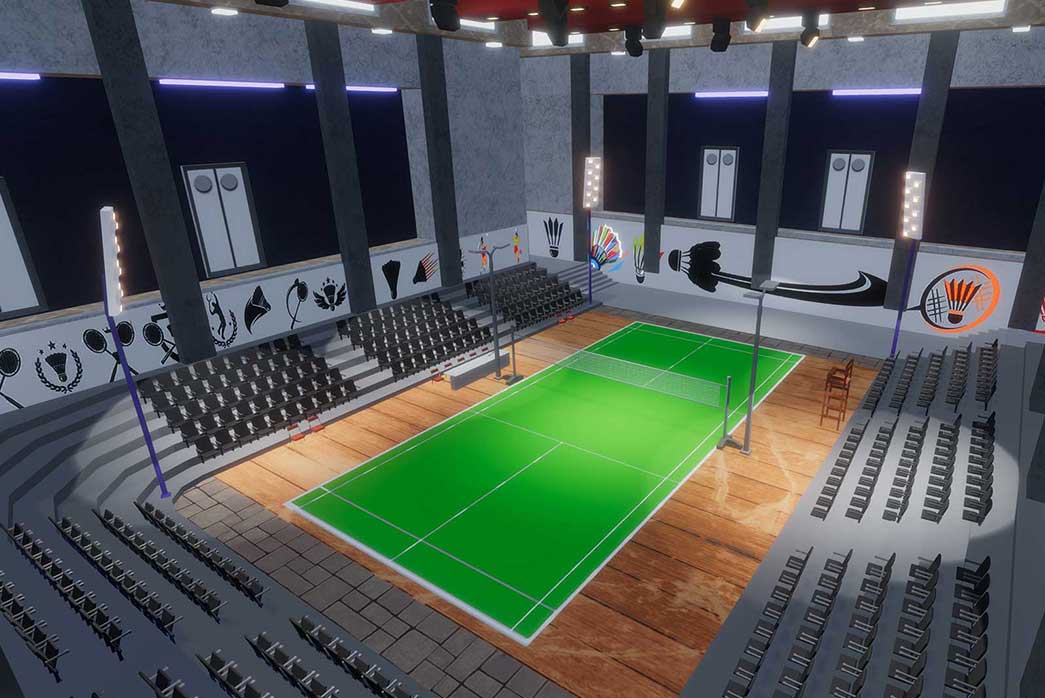
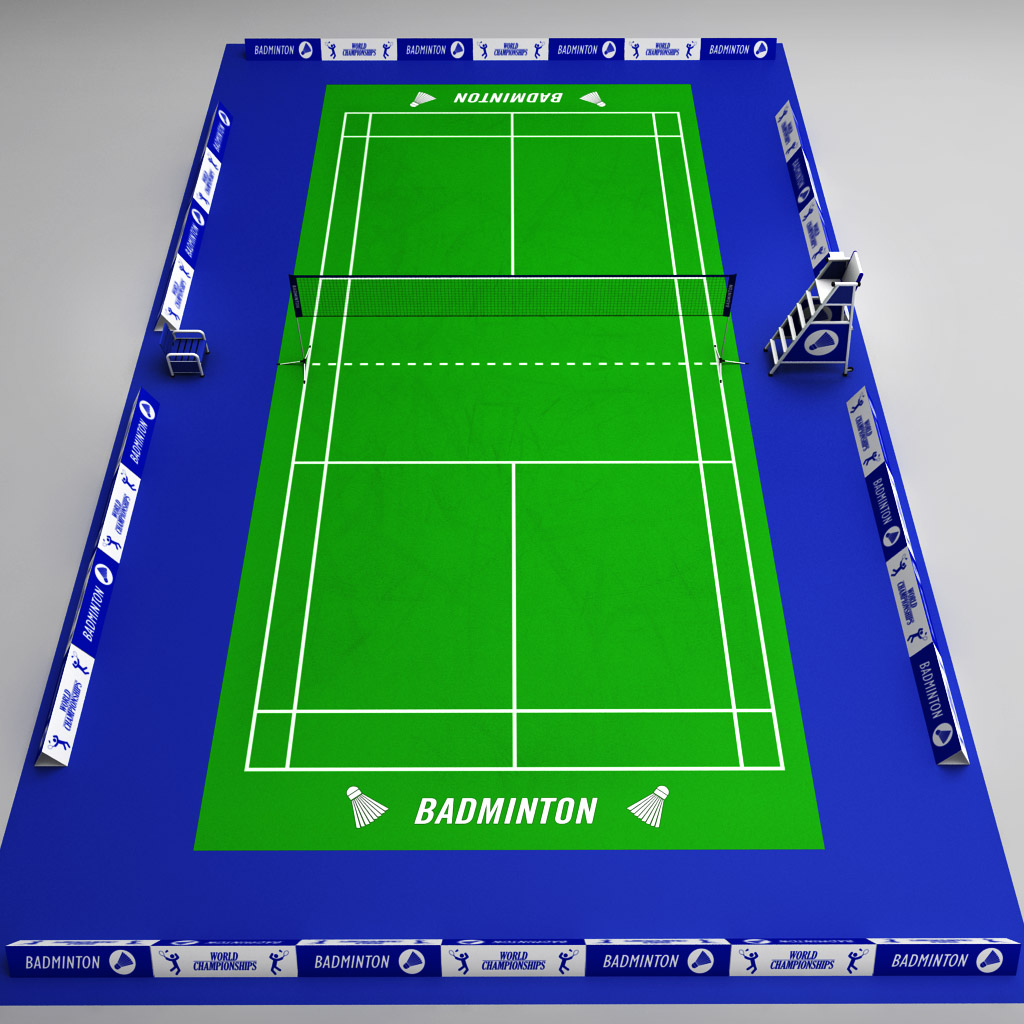
13.4 m long à 6.1 m wide for doubles (5.18 m singles). The net stands 1.55 m high at the posts, 1.524 m at centre.
Tap to add points â serving side switches automatically, just like a real match.